Hornbill Festival · 1–10 December 2026 · Kisama, Kohima

The Hornbill Festival, done privately.

The festival of festivals · Your dates · Your own guide

For ten days every December, the Naga tribes gather at Kisama to dance, sing, cook, compete and celebrate. Come on your dates, with your own vehicle, guide and stays — and see the Nagaland that lies beyond the festival grounds.

Private trips only · Couples, families & friends · Kohima rooms fill early in Hornbill week · ILP required — we help you get it

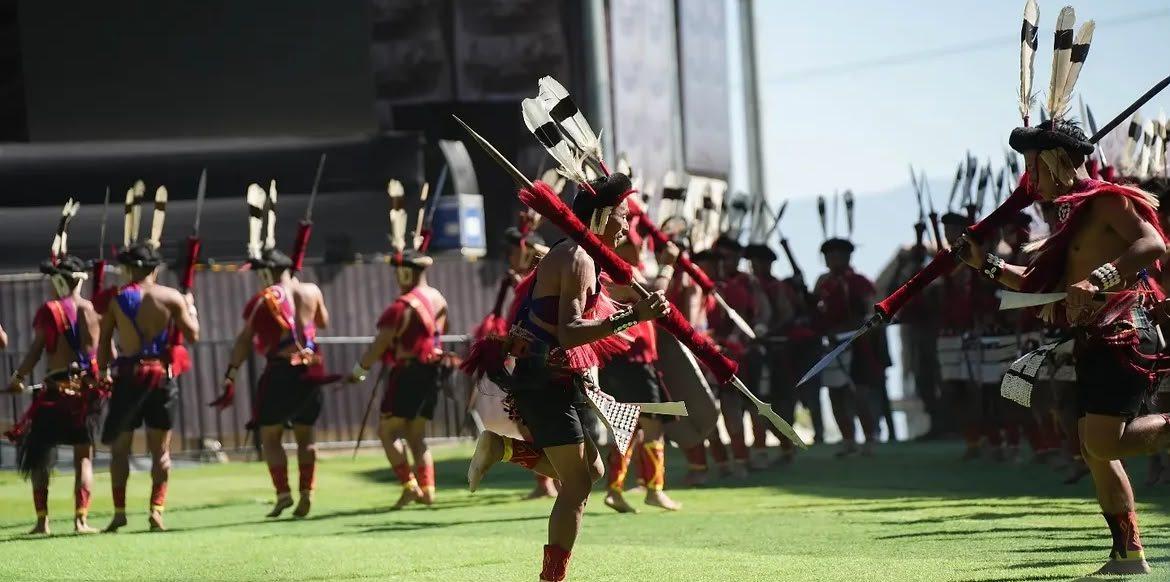
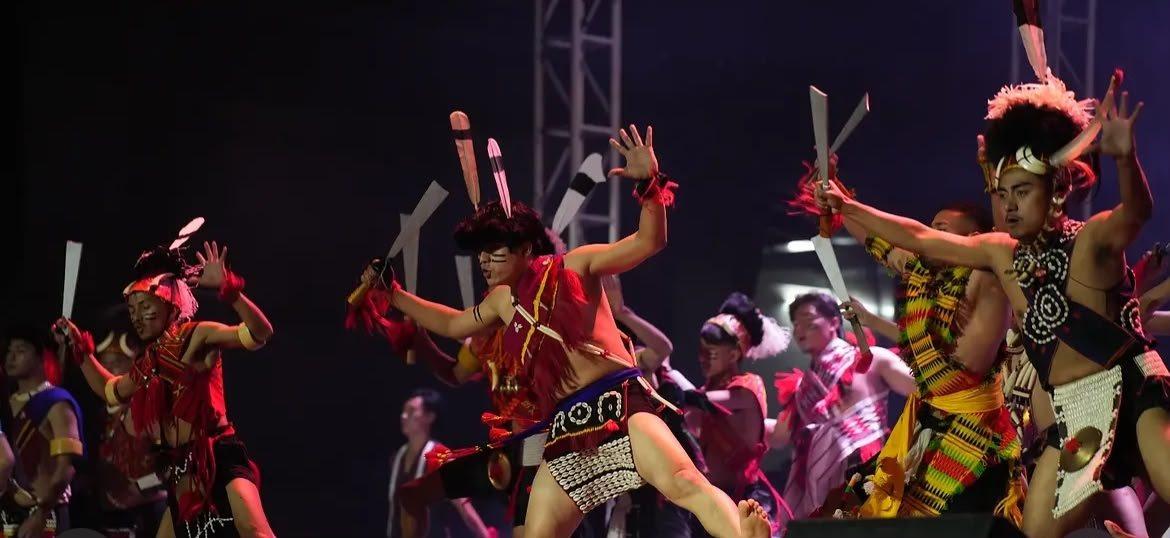
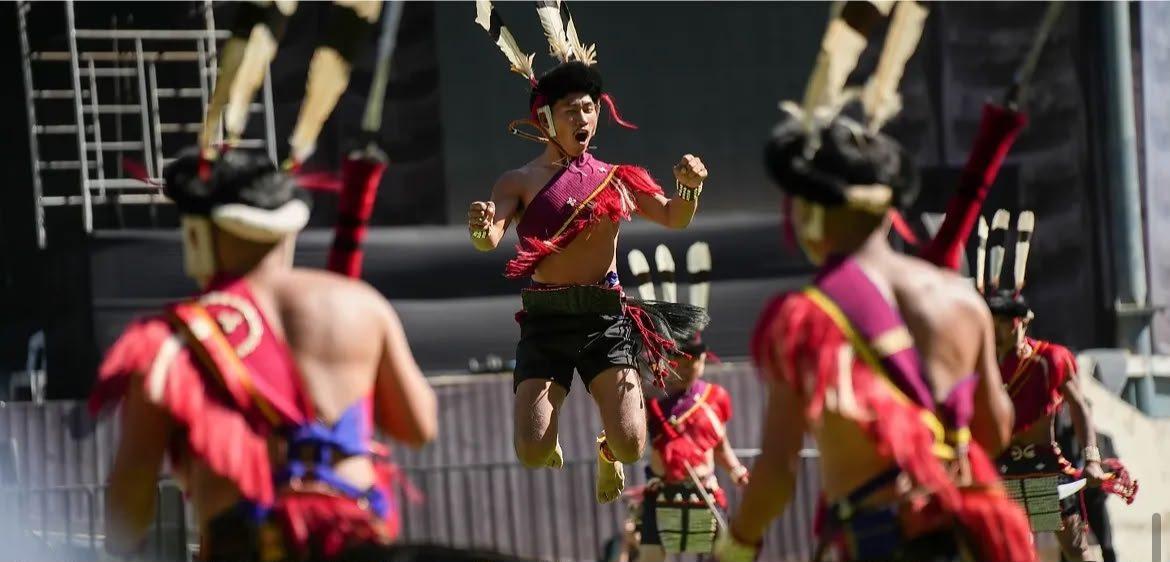
A Naga warrior leaping mid-dance at the Hornbill Festival, Kisama

Your dates

Arrive any day from 1 to 10 December and stay as long as you like.

Your own guide

A local Naga guide who explains each morung, dance and ritual as you watch.

Beyond Kisama

Add Khonoma, the Dzükou Valley or the Konyak villages of Mon.

Ten days. One village. The whole of Nagaland in one place.

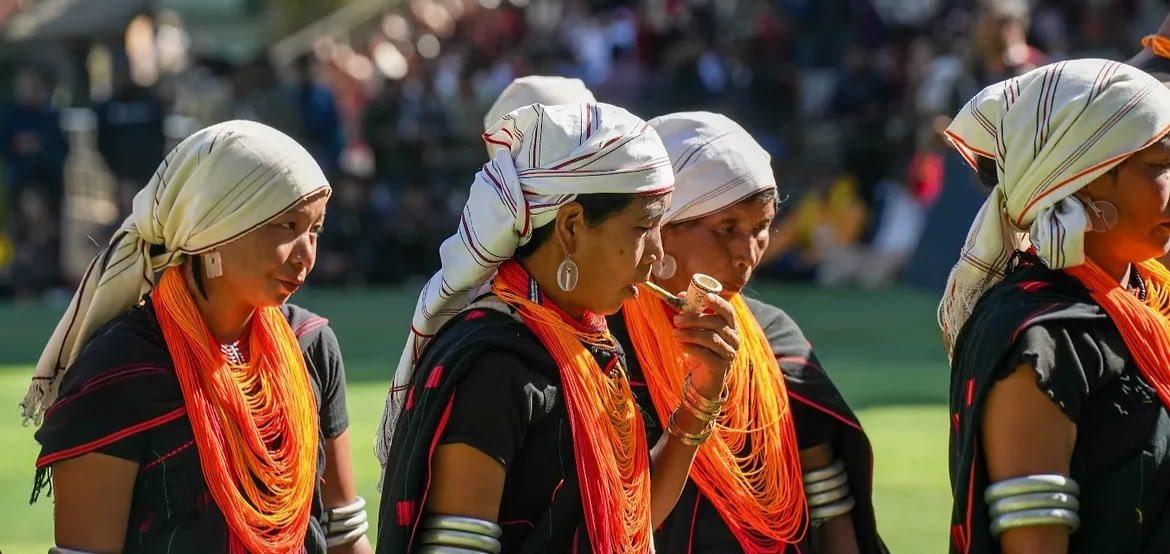
The Hornbill Festival is named after the hornbill, a bird that appears across Naga folklore, dress and song. It’s the easiest way to meet many Naga tribes at once.

The morungs

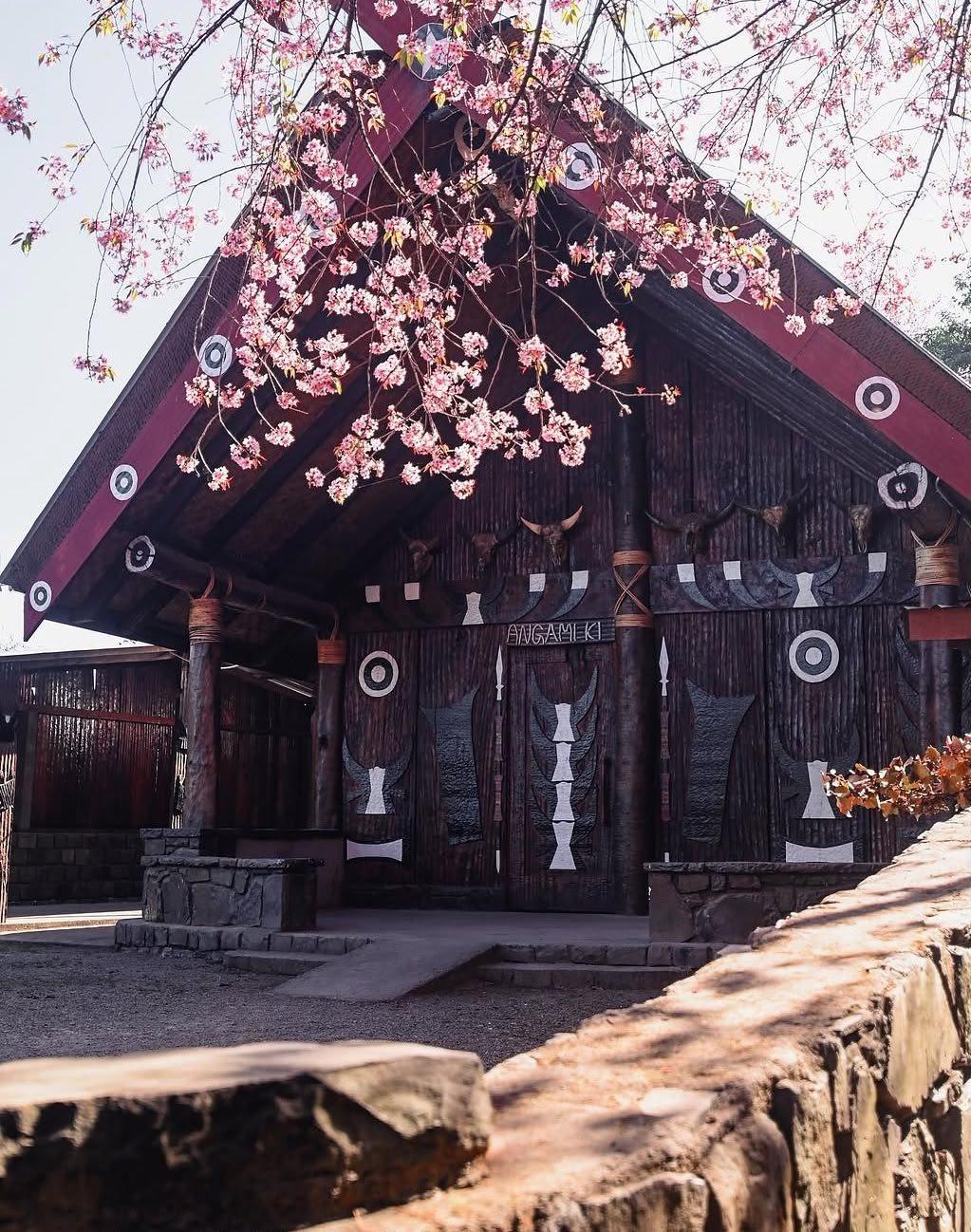
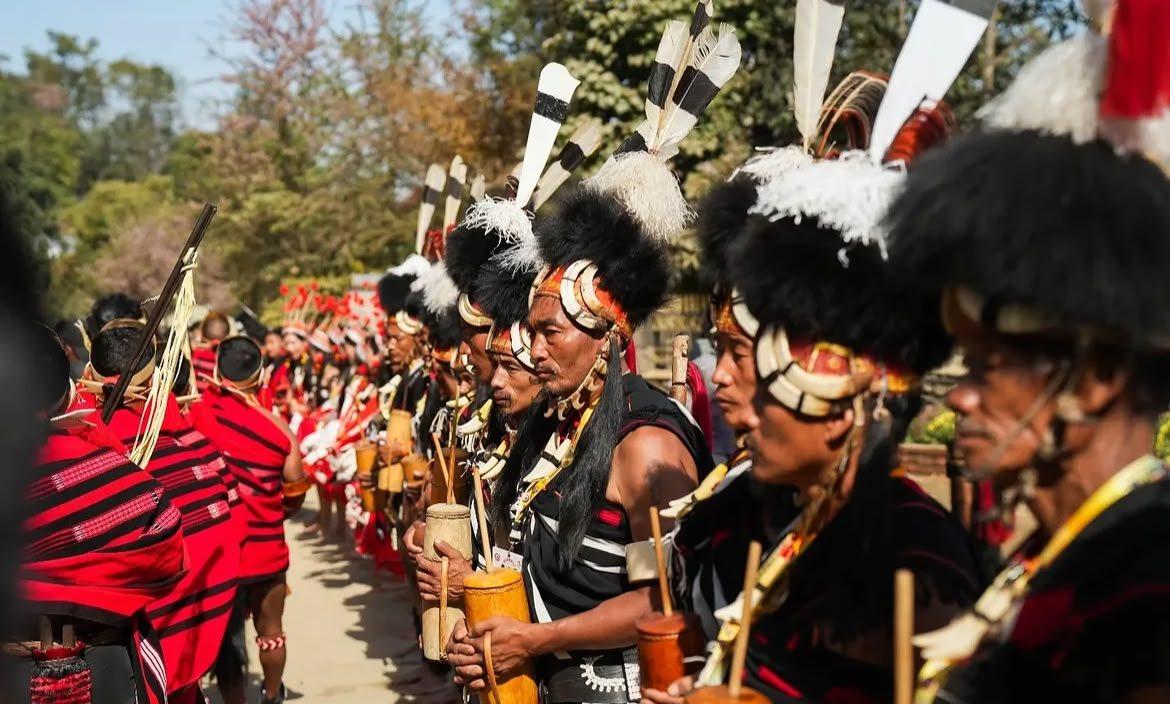
Each tribe builds its own morung — a traditional house — at the Heritage Village. Walk from one to the next and see how architecture changes from tribe to tribe.

Dances and songs

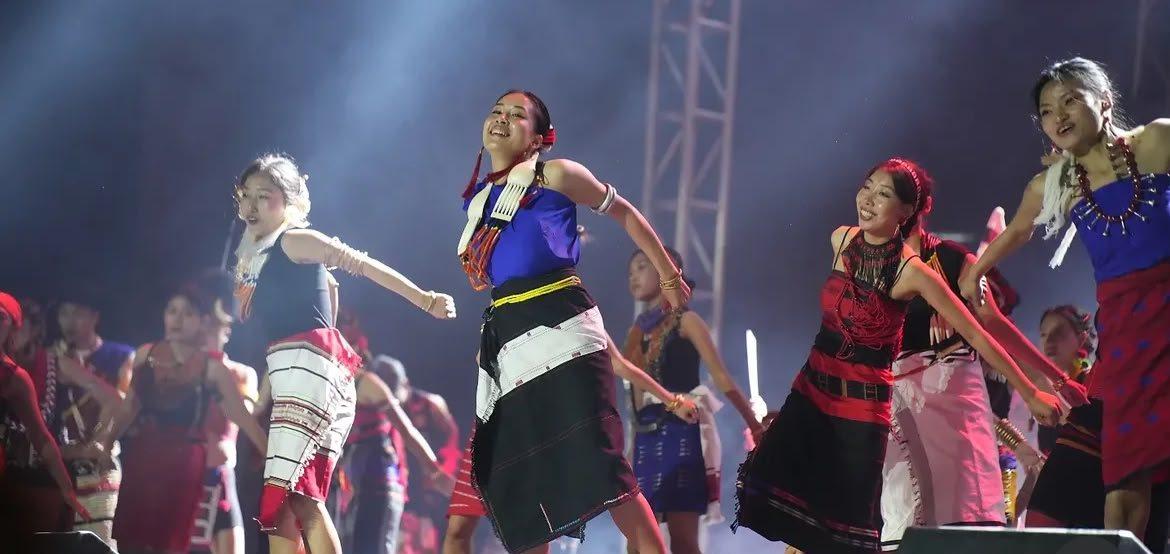
Warrior dances, harvest songs and folk performances, in full traditional dress, every day of the festival.

Traditional games

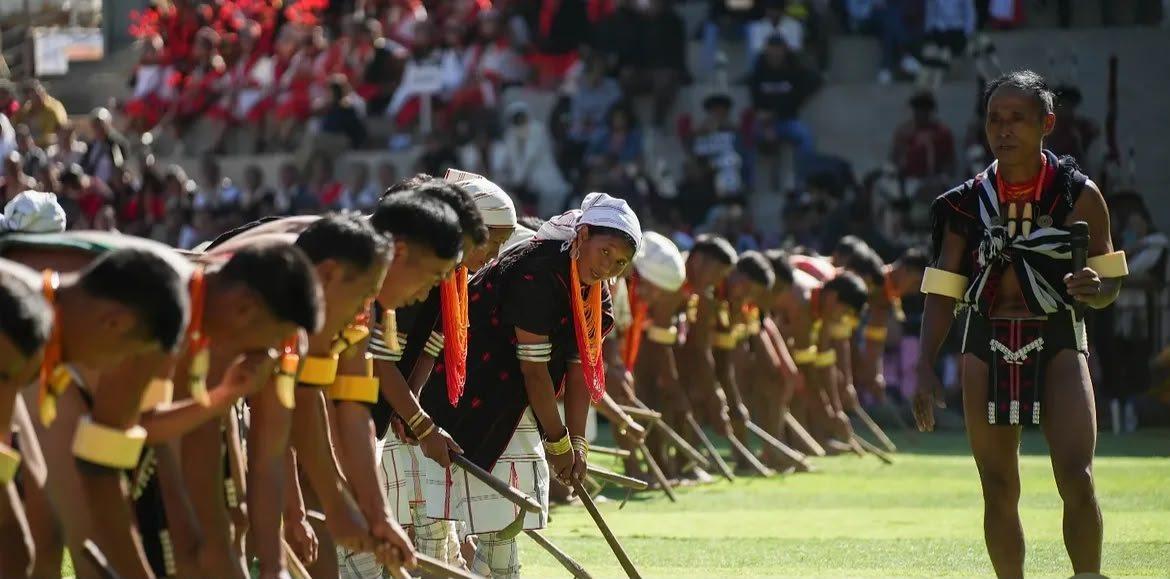
Naga wrestling, archery, and other contests between the tribes.

Food at the morungs

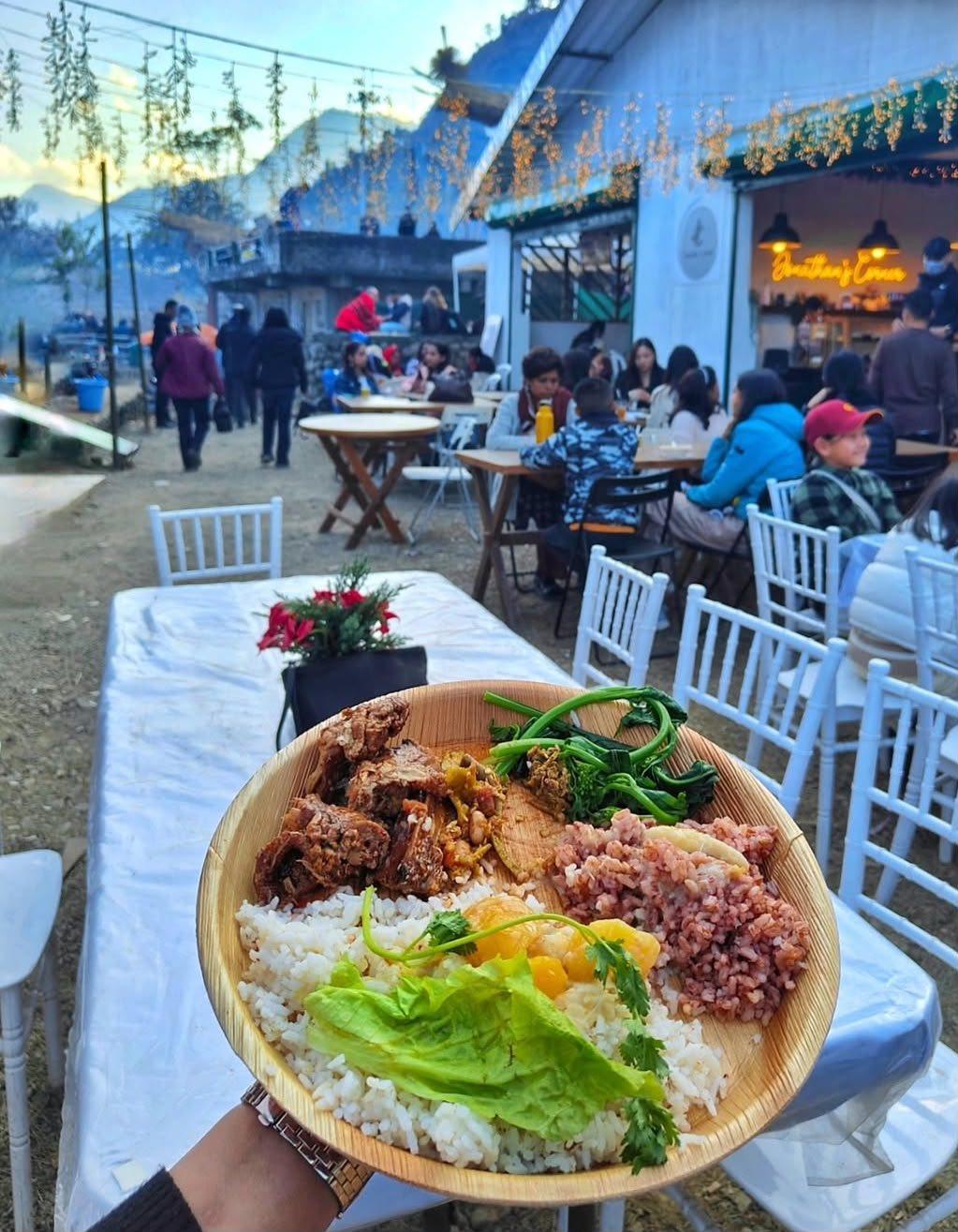
Smoked pork, bamboo shoot, axone, local greens — and rice beer, served in bamboo.

Crafts and shawls

Hand-woven shawls, bamboo and cane work, wood carving and beadwork, often sold by the makers.

The king chilli contest

One of the most famous events: eating the Naga king chilli, one of the hottest chillies on Earth.

Music in the evenings

Hornbill music concerts, plus evening markets and food in Kohima town.

The people

Above all, the warmth of Naga hospitality — the reason most people come back.

Nagaland Tourism announces the daily programme close to the festival; we plan your days around it.

Why go privately?

Same festival. A completely different experience.

Hornbill draws big crowds. How you experience it depends on who you go with and how your days are planned.

The carved Angami morung at the Naga Heritage Village, Kisama, under cherry blossom

Most Hornbill tours

Big groups, a shared bus, fixed dates and a crowded camp. You see the festival on someone else's timetable.

A private Antarabodh trip

Your own vehicle and guide, the days you choose, stays that suit you, and time in quiet villages away from the festival crowds.

Ways to do Hornbill

Three ways to plan it. Every one can be changed.

Starting points, not packages. Pick one, mix them, or tell us your dates and we'll shape the rest.

4 nights · Kohima

Hornbill, unhurried

  1. Day 1: Fly into Dimapur and drive up to Kohima (about 3 hours).
  2. Day 2: A full day at Kisama with your guide; evening in Kohima town.
  3. Day 3: Morning in Khonoma, Asia's first green village; back to Kisama for the afternoon.
  4. Day 4: Kohima War Cemetery and the local market; a last festival evening.
  5. Day 5: Drive to Dimapur for your flight.
Plan this for my dates →
6 nights · Kohima, Khonoma, Dzükou

Hornbill, villages and Dzükou

  1. Days 1–3: Kohima and two days at the festival, at your pace.
  2. Day 4: Stay in a Khonoma homestay; walk the village, terraces and forest.
  3. Day 5: Day hike to the Dzükou Valley viewpoint — golden grasslands in December.
  4. Day 6: Back to Kisama for the final dances, or a slow day in the villages.
  5. Day 7: Drive to Dimapur.
Plan this for my dates →
8 nights · Kohima to Mon

Hornbill and the Konyaks of Mon

  1. Days 1–3: Kohima, Khonoma and the festival.
  2. Day 4: Drive to Mokokchung, home of the Ao Nagas.
  3. Days 5–7: Mon district: Konyak villages, the last generation of tattooed elders, and Longwa — a village that sits across the India–Myanmar border.
  4. Day 8: Into Assam for the night.
  5. Day 9: Fly home from Dibrugarh or Jorhat.
Plan this for my dates →
Beyond the festival

Most people see Kisama. Few see the villages around it.

Nagaland is at its clearest and coolest in December. These are the places we add to Hornbill trips.

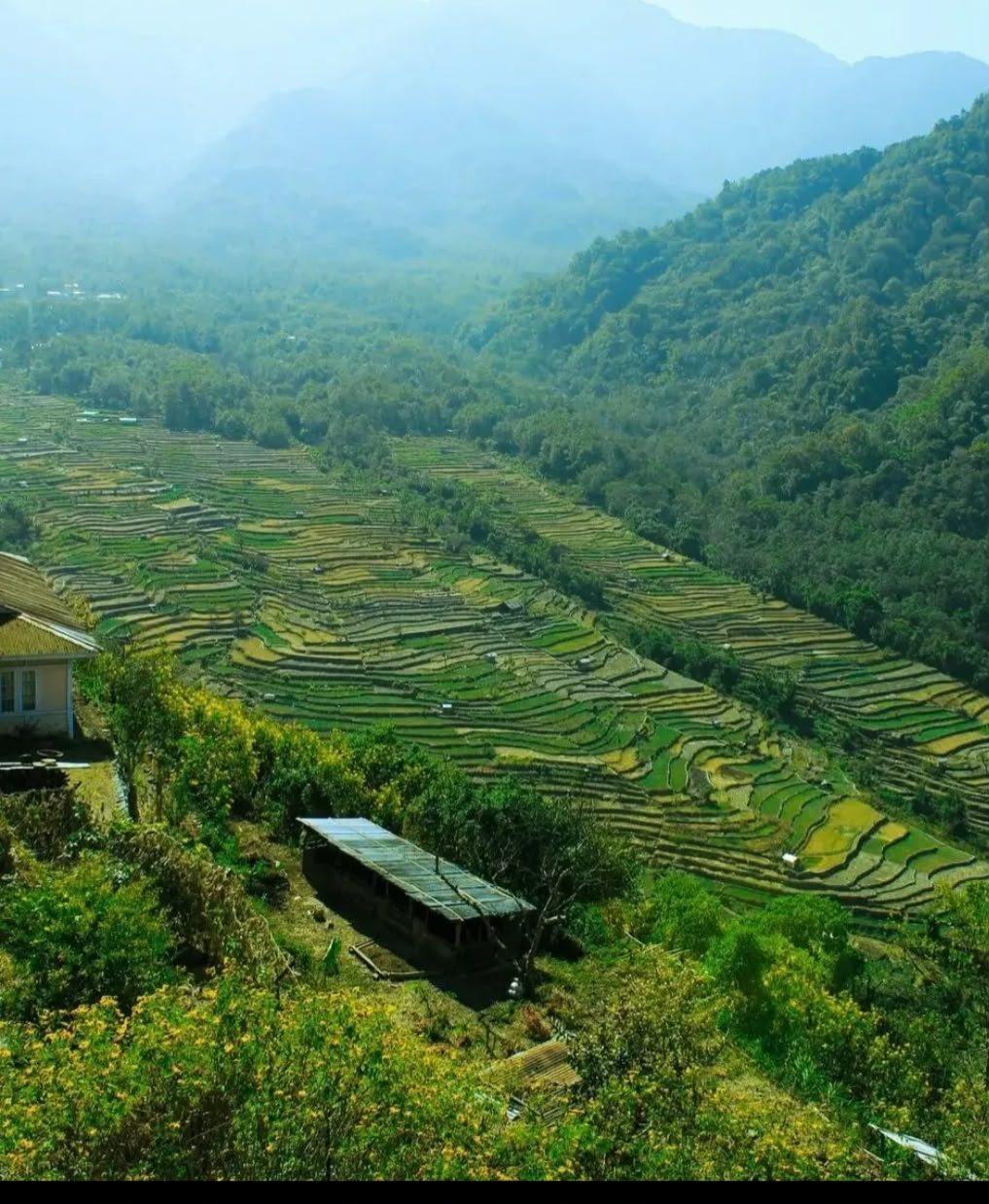
Terraced rice fields in a misty valley in Nagaland
KhonomaThe green village — terraced fields, stone gateways and a community that gave up hunting to protect its forest.
Dzükou ValleyRolling grassland valley on the Nagaland–Manipur border, reached from Zakhama; golden in December.
KohimaThe War Cemetery on Garrison Hill, where the 1944 Battle of Kohima was fought, and the local market.
DzülekeA tiny village by a clear stream and forest, a short drive from Kohima.
TouphemaA small village where stays are run by the community.
Pfutsero & KapamodzüOne of Nagaland's coldest towns, and an 8,596 ft peak with famous sunsets.
Mokokchung & WokhaAo and Lotha Naga country — Ungma, Longkhum and the Doyang river.
Mon & LongwaKonyak country — the chief's house in Longwa sits half in India, half in Myanmar.
From our trips

Hornbill and the hills around it.

Where you'll stay

Hotel, homestay or festival camp — your choice.

Kohima rooms fill early in Hornbill week, so the sooner you enquire, the more choice you have.

A comfortable hotel in Kohima

Closest to the festival and the evening events.

A village homestay

Khonoma, Kigwema or Touphema — wood fires, home-cooked Naga food and real conversations.

A festival camp

Tents with beds near Kisama, for those who want to wake up close to the festival.

What you’ll eat

Smoked pork with bamboo shootAxone (fermented soybean)Galho (Naga rice porridge)Naga king chilliRice beer in bambooFresh river fishLocal greens and herbs

Vegetarian? No problem — we arrange vegetarian meals throughout, and your guide will tell you what’s in every dish.

A plate of Naga food — pork, greens, red rice and white rice — at a hillside food court in Kohima
Why Antarabodh

We don’t just send you to Hornbill. We take you into Nagaland.

We’ve travelled Nagaland ourselves and work with Naga guides and hosts we know personally — so your trip is built on real knowledge, not a brochure.

No crowded buses. No fixed group. Just your people, your pace and your Nagaland.

— Tanu Loht, Founder

  • We've travelled Nagaland ourselves — the villages, valleys and festivals
  • Local Naga guides and hosts we know personally
  • Private trips only — just you and your people
  • Your dates, your pace, your stays
  • Vegetarian, family and senior-friendly planning
  • Help with your Inner Line Permit and every booking
How to reach

Getting to Nagaland is easier than you think.

Coming from Mumbai, Bengaluru or Delhi? Everyone arrives at Dimapur, Nagaland's gateway. From there, Kohima is about 75 km — around 2½–3 hours by road — and your car and driver will be waiting.

By direct flight

  • From Delhi: direct flights to Dimapur.
  • From Mumbai or Bengaluru: fly to Guwahati or Kolkata and take a connecting flight to Dimapur — you can do it in a day.
  • Or fly direct to Guwahati and continue by train or road.

By train

  • Dimapur is on the main railway line through Assam.
  • From Guwahati, the morning Jan Shatabdi takes about 4 hours (Monday to Saturday), and several other daily trains take 4–5½ hours.
  • From Delhi, long-distance trains including the Rajdhani stop at Dimapur — a long ride, best for those who love trains.

By road from Guwahati

  • About 280 km, usually 6–7 hours by private car.
  • Good if you're combining Nagaland with Assam or Meghalaya — your own car and driver pick you up in Guwahati.
Inner Line Permit (ILP) required

Every Indian visitor needs an ILP to enter Nagaland, including Dimapur. It’s applied for online before you travel — we help you with it once your trip is confirmed. Foreign nationals currently need a Protected Area Permit instead.

Flight and train schedules change — we check the best option for your dates when we plan your trip.

Good to know before you go

A few things that make Nagaland different.

Small details that make a big difference to your days — we plan around every one of them.

Hornbill week

Kohima is at its busiest. Traffic to Kisama builds through the day, so we go early, and rooms fill fast — the sooner you book, the more choice you have.

Sundays are for church

Nagaland is mostly Christian. On Sundays almost all shops, markets and many restaurants stay closed and towns are very quiet. We plan Sundays as a travel day, a village walk or a slow day — not a shopping day.

Monday to Saturday

Markets, craft shops and offices are open on weekdays and Saturdays — the best days for shopping, markets and village visits.

Shops close early

Most shops close by about 4:30–5 pm, and towns go quiet soon after dark. Dinner is early too, usually around 7 pm.

Early sunrise, early sunset

The sun rises and sets early in the Northeast. In winter it's dark by about 4:30–5 pm, so we start days early and keep sightseeing to daylight.

Weather

October to May is the best time. In December and January days are sunny but nights are cold — single digits in Kohima, near freezing in Pfutsero and Dzükou. June to September brings heavy rain and occasional landslides on hill roads.

Your car and driver

A private SUV with an experienced local hill driver, the same car throughout. Hill roads are slow — 25–30 km an hour is normal, and some stretches (Mon, Tuensang, Phek) are rough. We avoid driving after dark.

Food

Naga food is smoky, fresh and meat-forward — mostly pork, chicken and fish — and can be fiery with king chilli. Vegetarian food is easy in Kohima and Dimapur and arranged in advance everywhere else. Just ask for less chilli.

A dry state

Nagaland is officially a dry state, so alcohol isn't sold openly.

Cash and phone signal

Carry cash for villages and small shops; ATMs are in the towns. Mobile signal is good in towns but patchy in remote areas and on long drives.

Photos and respect

Always ask before photographing people, especially elders. Dress modestly in villages and churches, and follow your guide's lead inside morungs and homes.

Strikes (bandhs)

Now and then a local strike closes roads and shops for a day. We keep your plan flexible and work around it.

Documents

Carry a photo ID and a copy of your ILP at all times — there are checkpoints on the main roads.
Questions people ask

When and where is the Hornbill Festival 2026?

1 to 10 December 2026, at the Naga Heritage Village in Kisama, about 12 km from Kohima. You can arrive on any day — two or three festival days is enough for most people, with the rest of the trip in the villages.

How do we get there?

Everyone arrives at Dimapur — by direct flight from Delhi (from Mumbai or Bengaluru, connect via Guwahati or Kolkata), by train (about 4 hours from Guwahati on the Jan Shatabdi), or by road from Guwahati (about 6–7 hours). Kohima is then about 2½–3 hours by road. If you add Mon, you can fly home from Dibrugarh or Jorhat in Assam. See How to reach above.

Do we need a permit (ILP)?

Yes. Indian travellers need an Inner Line Permit (ILP), which is applied for online. We help you with it before you travel. Foreign nationals currently need a Protected Area Permit — tell us early and we’ll guide you.

How cold is it in December?

Days are usually pleasant and sunny; nights and early mornings are cold, often in single digits. Bring warm layers, a jacket and good walking shoes — Kisama has slopes and steps.

We’re vegetarian. Will we manage?

Yes. Naga food is meat-heavy, but we arrange vegetarian meals at your stays and your guide helps you choose at the festival stalls.

Is it suitable for children or parents?

Yes, with the right plan. We keep drives shorter, choose comfortable stays, and plan festival time around the best performances so nobody is on their feet all day.

How much does it cost?

It depends on your nights, stays, places and group size. We share a clear quote once we understand your plans. Flights are charged separately.

Can’t make it in December?

Plan a private Nagaland trip any time →

Your private Hornbill trip starts here.

Tell us a little — we’ll cover the rest on a short call. Our team will reply on WhatsApp shortly.

Prefer to chat? WhatsApp us

+91 92725 53853 · antarabodh@gmail.com

Add to your trip (tick any)

We’ll only use your number to plan your trip.