Nagaland · Private trips by Antarabodh

Nagaland, the way it should be seen.

Living villages · Green hills · Your dates, your places

Warrior histories, hand-woven shawls, green villages and some of the warmest hospitality in India. Choose your dates, places and stays — we plan the rest with local Naga guides we know personally.

Private trips only · Couples, families & friends · No group tours · ILP required — we help you get it

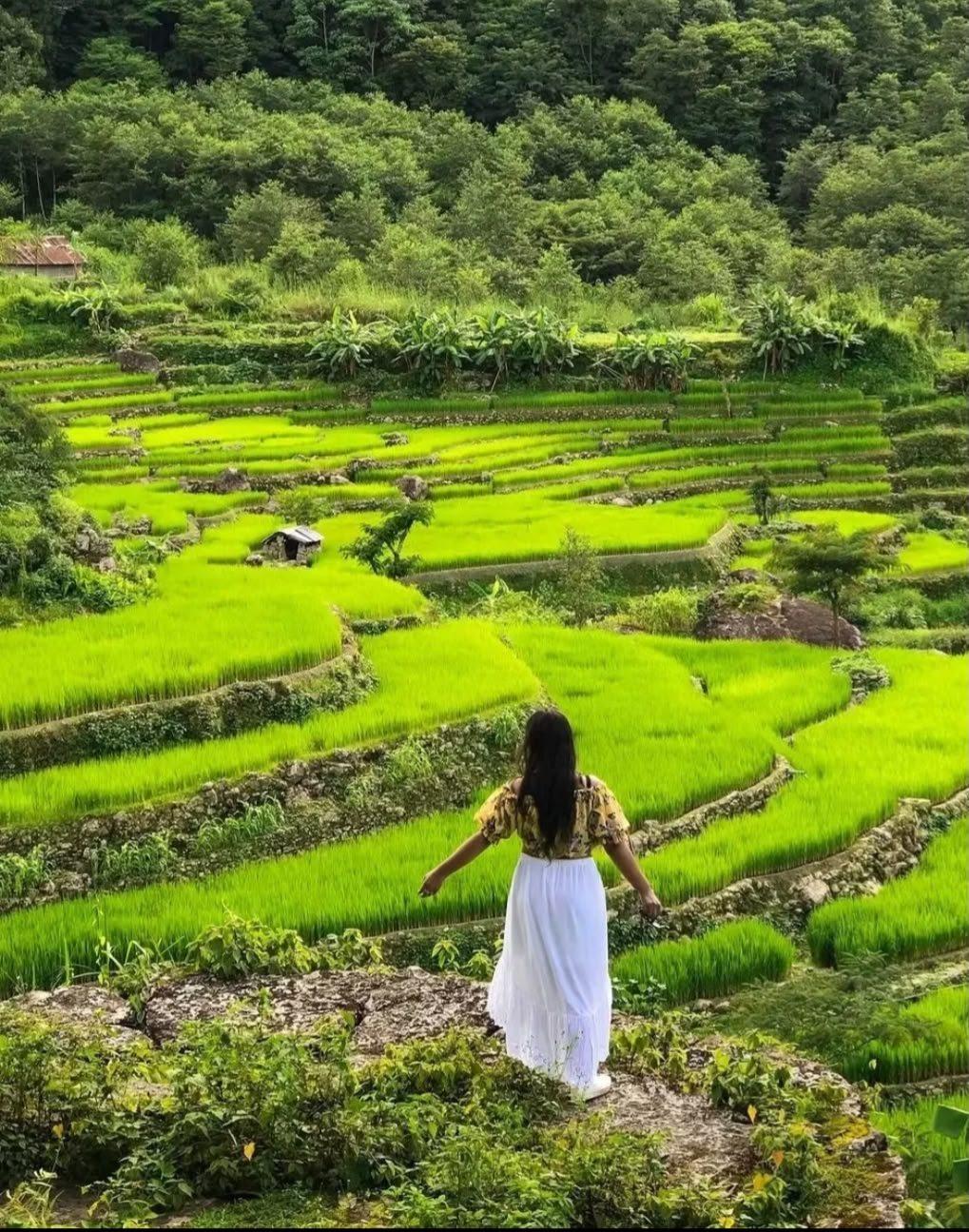
A traveller standing above bright green rice terraces in Nagaland

Your dates

Travel when it suits you — we'll tell you what's happening in Nagaland that month.

Your places

Kohima and Khonoma, the Dzükou Valley, the Konyak villages of Mon — or all of them.

Your stays

Comfortable hotels, warm village homestays, or a mix of both.

Most people know Nagaland for one festival. There’s a whole state waiting.

Nagaland is home to many Naga tribes, each with its own language, dress and traditions — spread across hills, valleys and villages that see very few travellers.

Living tribal cultures

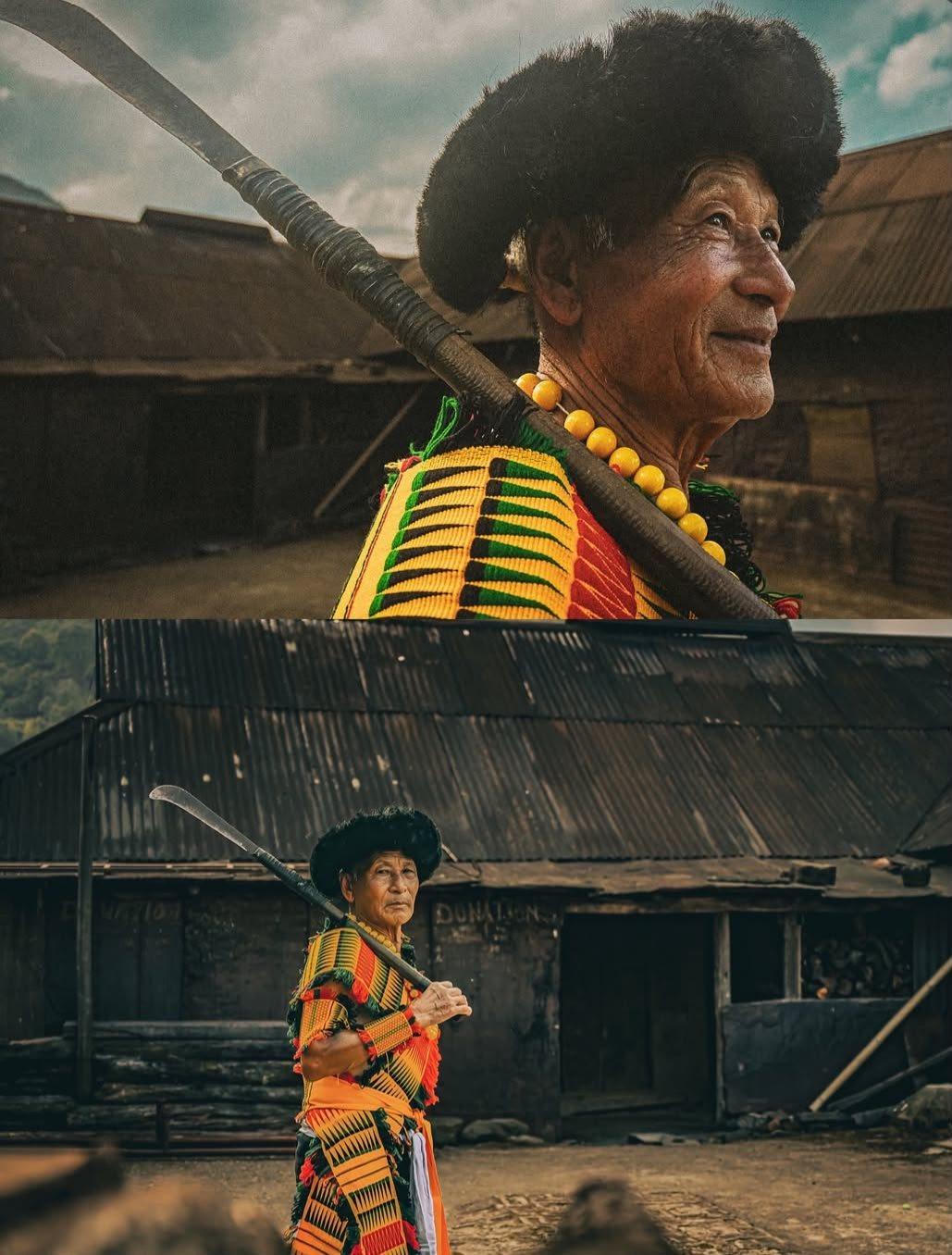
Each Naga tribe has its own language, dress, songs and festivals — and villages where they're still lived every day.

Green villages

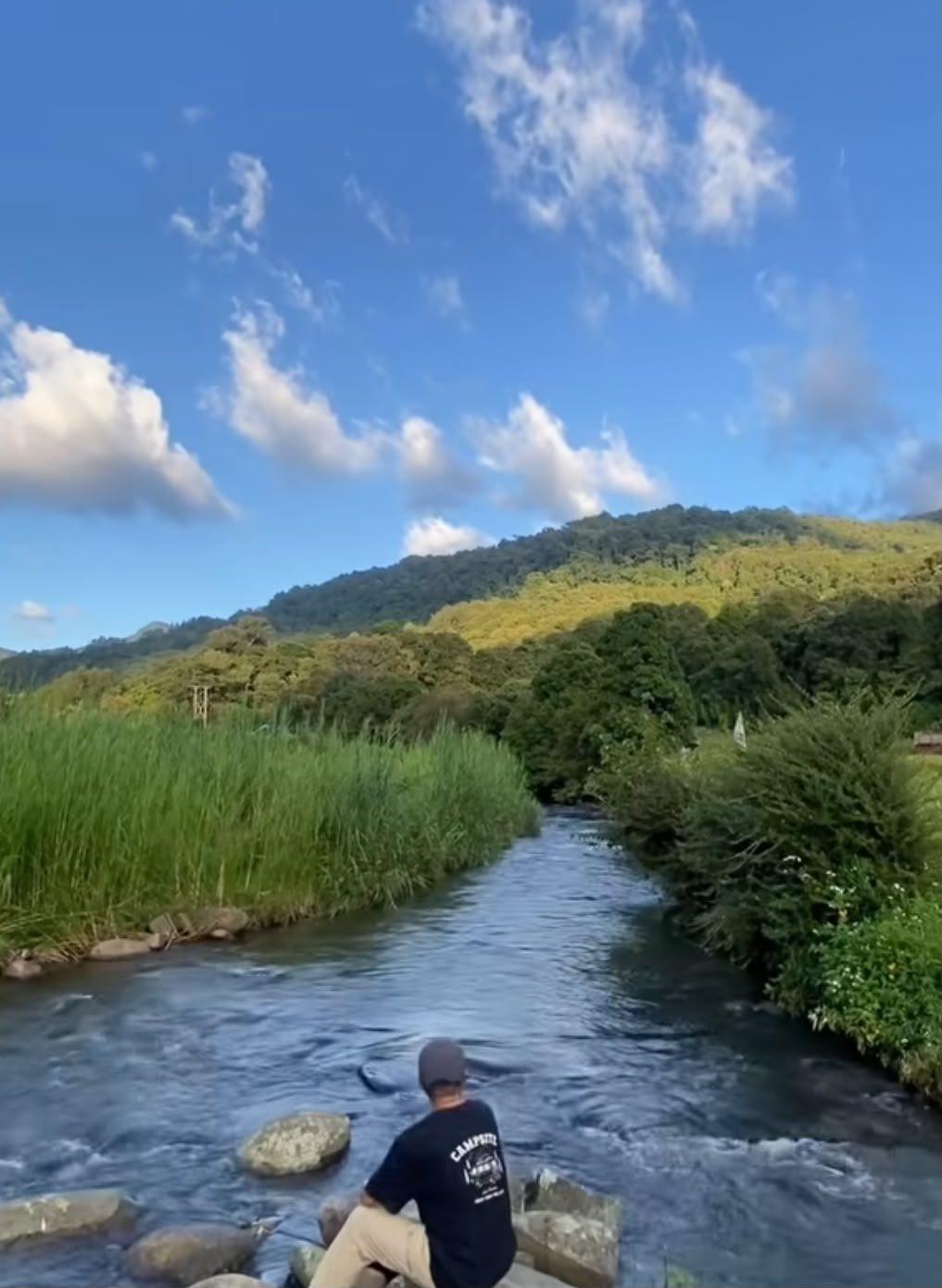
Khonoma and others have protected their forests and wildlife by community decision.

Valleys and treks

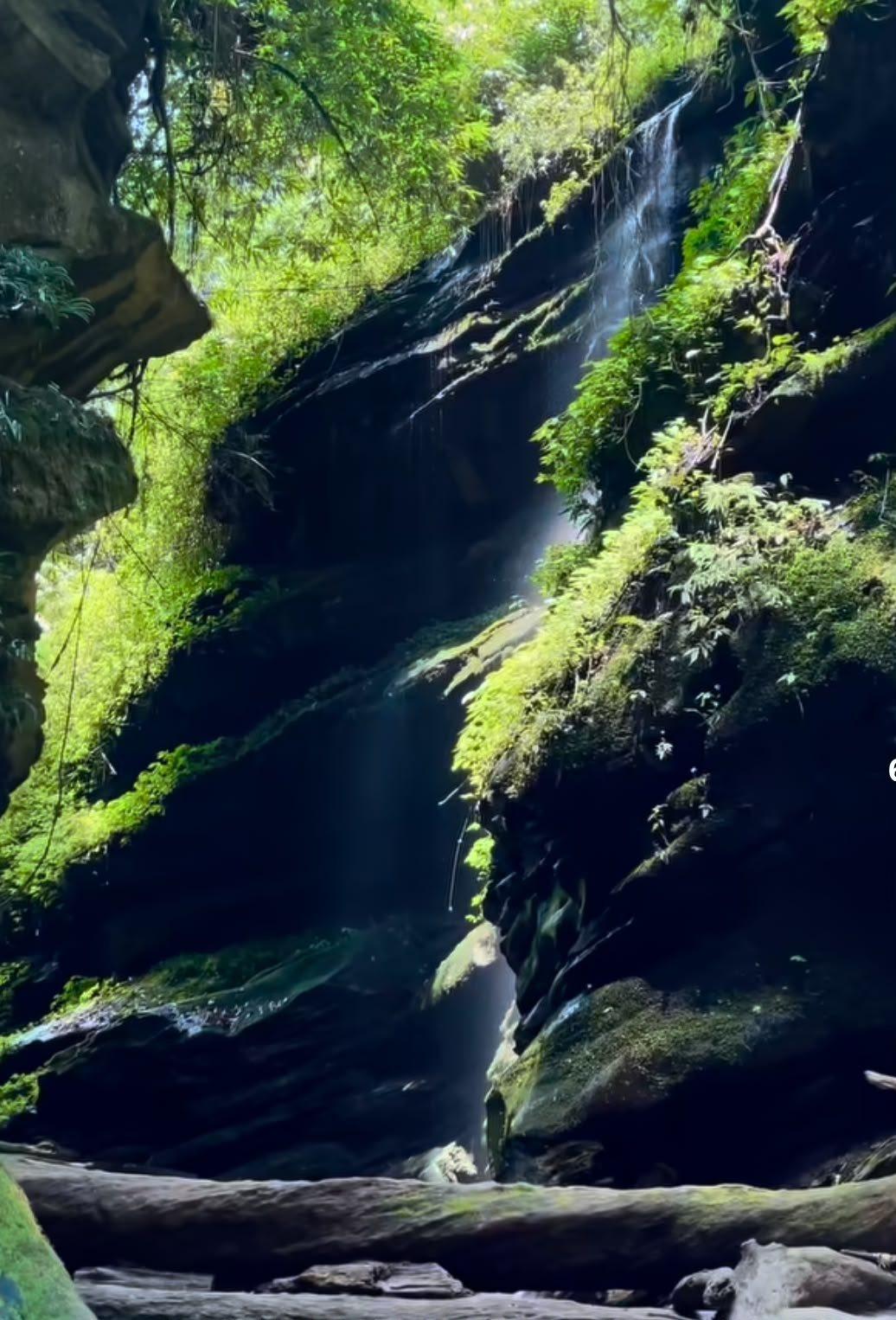
Dzükou's grassland valley, Japfu peak and quiet forest trails.

Real history

Kohima, where one of the decisive battles of the Second World War was fought in 1944.

Food like nowhere else

Smoked meats, fermented soybean, bamboo shoot, wild herbs and the Naga king chilli.

Festivals all year

Each tribe celebrates its own festivals, from Sekrenyi in February to Hornbill in December.

Craft and weaving

Hand-woven shawls, bamboo and wood craft, made in the villages.

Few crowds

Outside Hornbill week, you'll often have the villages and viewpoints almost to yourselves.

Where to go

Six corners of Nagaland. Pick one, or see them all.

We plan region by region — from our own travels, our Naga guides and hosts, and what's happening in each place in your month.

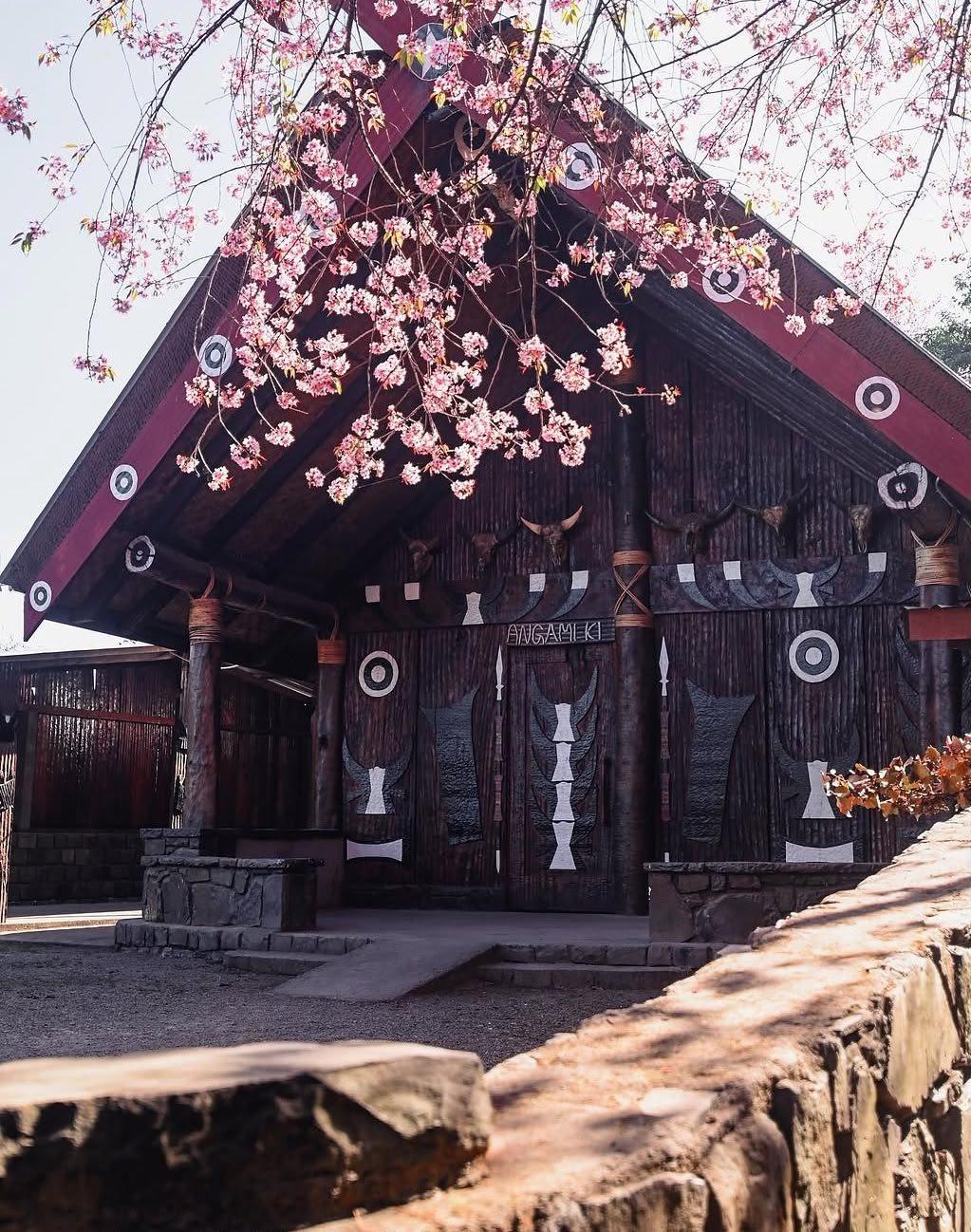
Kohima & the Angami villages, Nagaland

Kohima & the Angami villages

The capital and the villages around it

  • Kohima — the War Cemetery and the local market
  • Kisama — the Naga Heritage Village, home of Hornbill
  • Khonoma — Asia's first green village
  • Dzüleke — a tiny village by a clear stream and forest
  • Touphema — village stays run by the community
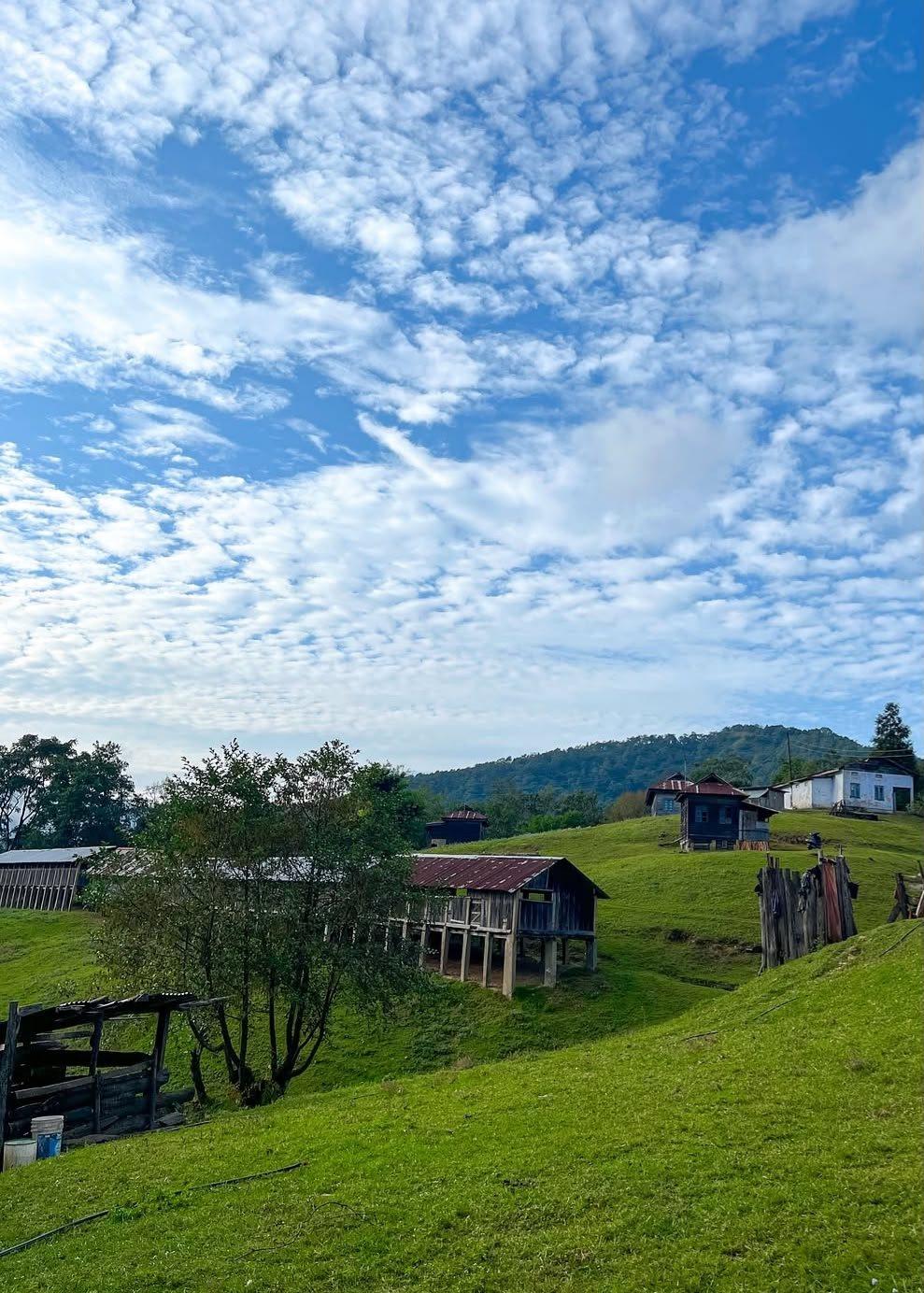
Dzükou Valley & Zakhama, Nagaland

Dzükou Valley & Zakhama

Grassland valleys on the Manipur border

  • Dzükou Valley — a day hike or a cold overnight
  • Zakhama — one of the trailheads into the valley
  • Dzükou lilies in bloom, June–July
  • Golden grasslands, October–December
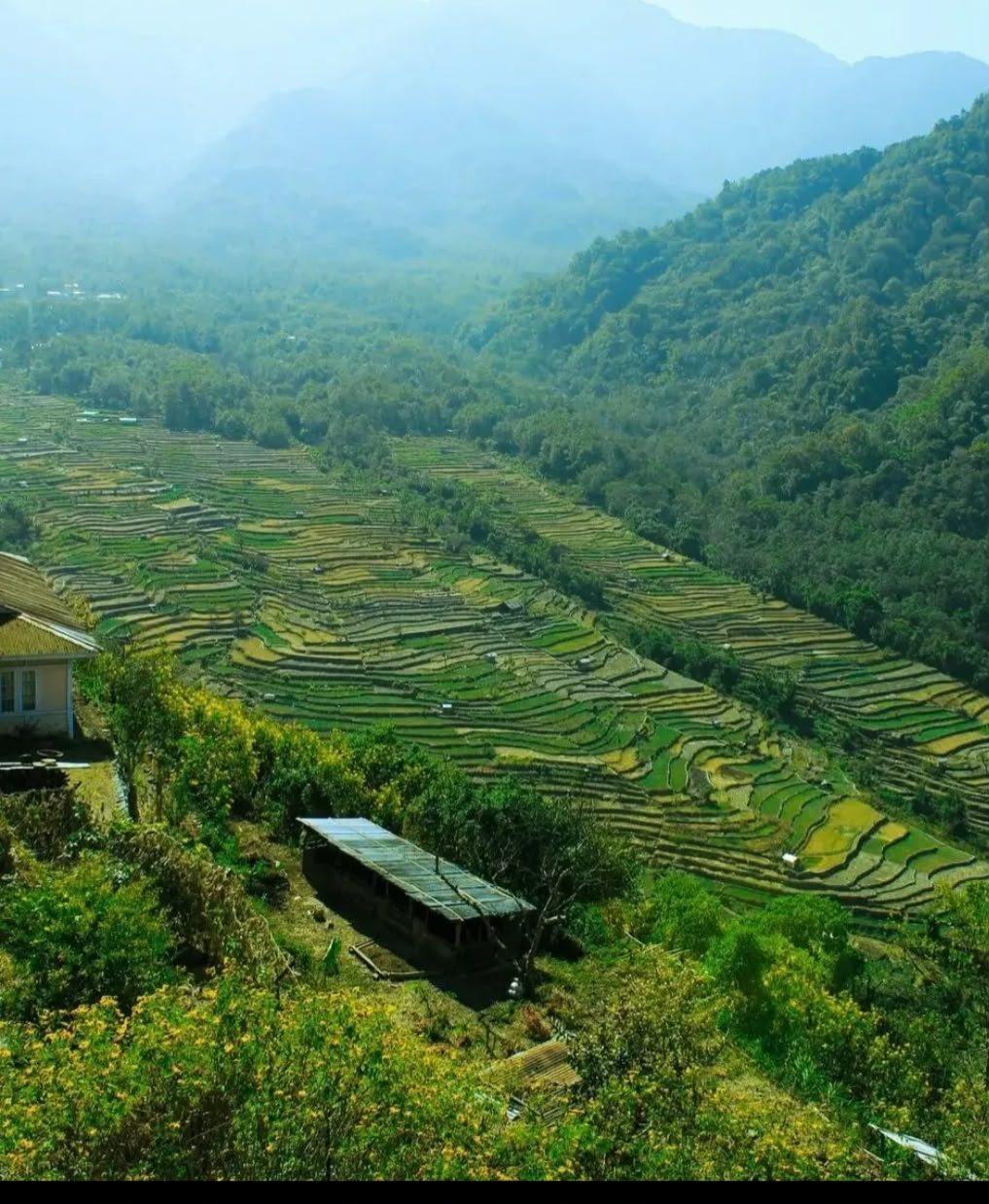
Phek, Pfutsero & Kapamodzü, Nagaland

Phek, Pfutsero & Kapamodzü

Chakhesang country — terraces, weaving and high peaks

  • Phek — terraced hills and quiet villages
  • Pfutsero — one of Nagaland's coldest towns
  • Kapamodzü Peak — 8,596 ft, with sunsets over Japfü and Saramati
  • Chizami — women's weaving collective
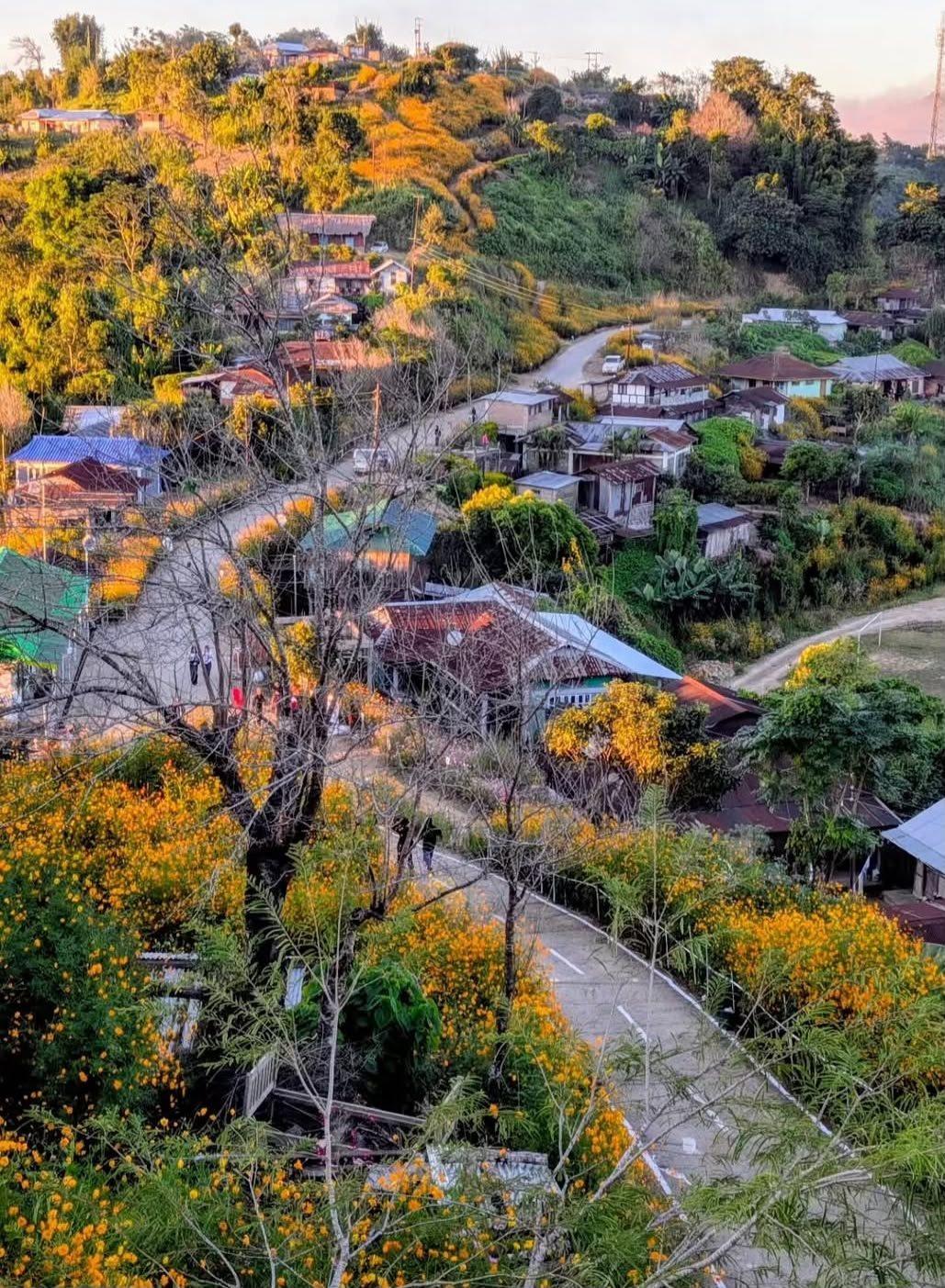
Peren & Peletkie, Nagaland

Peren & Peletkie

Zeliang Naga country, west of Kohima

  • Peren — green hills and Zeliang villages
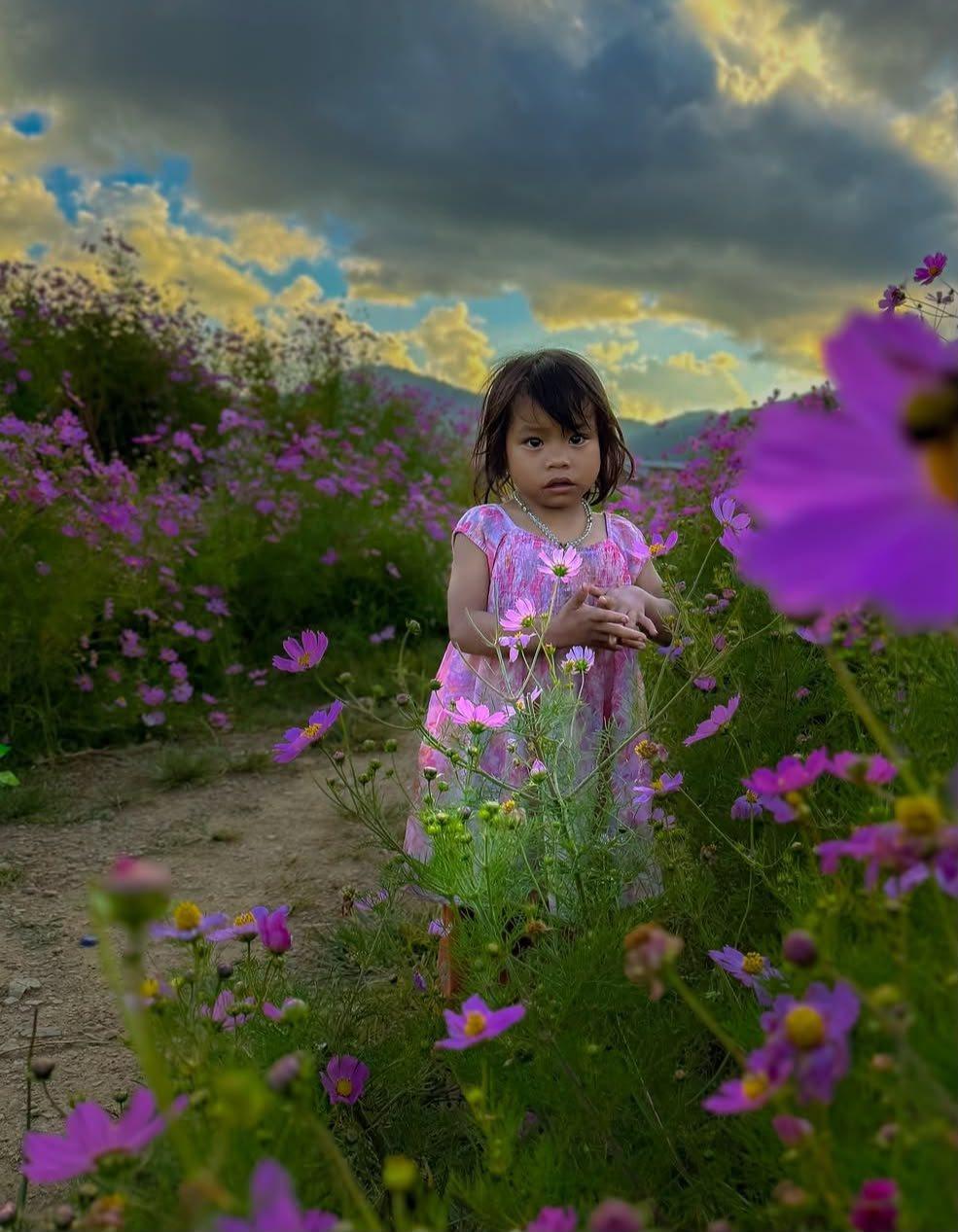
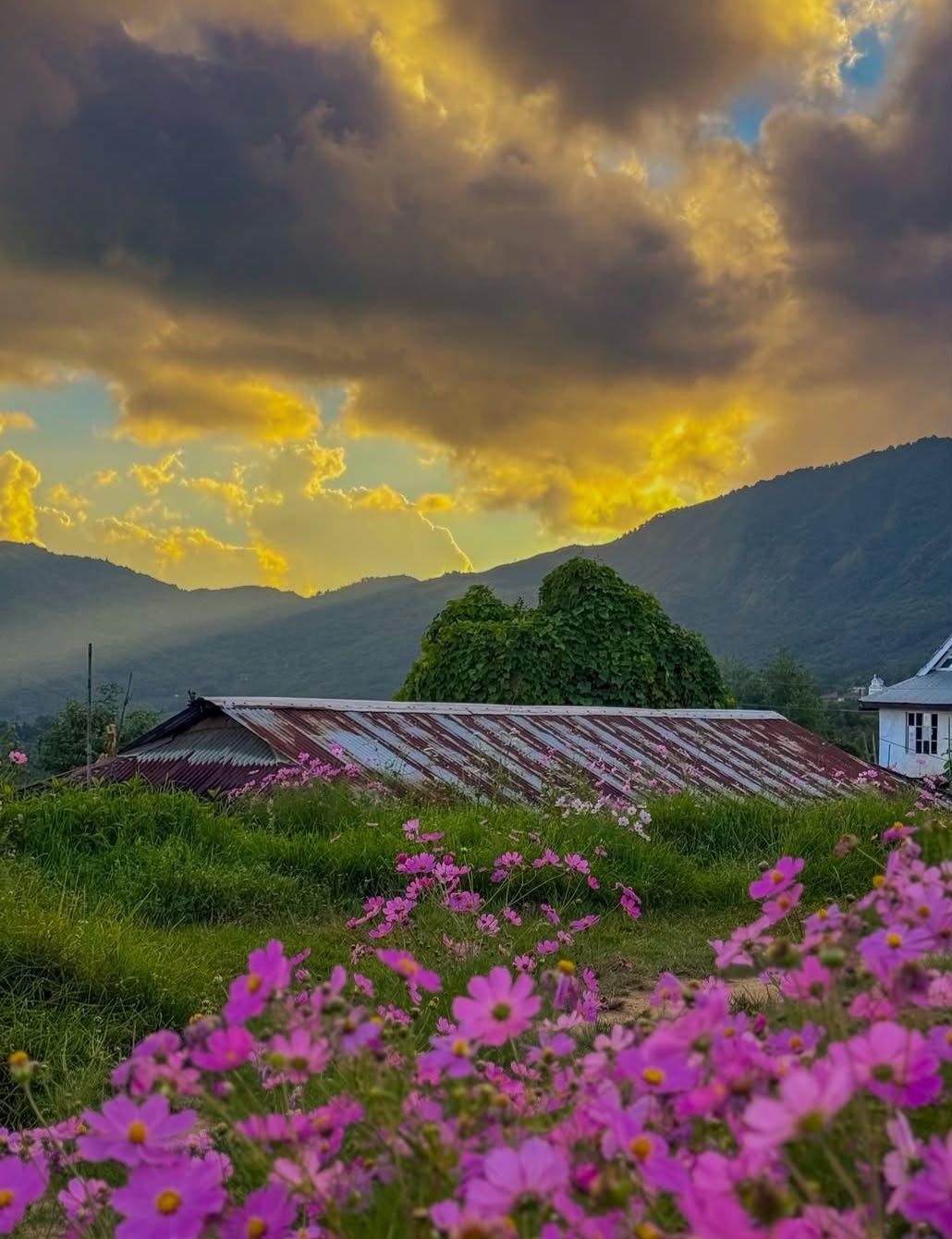
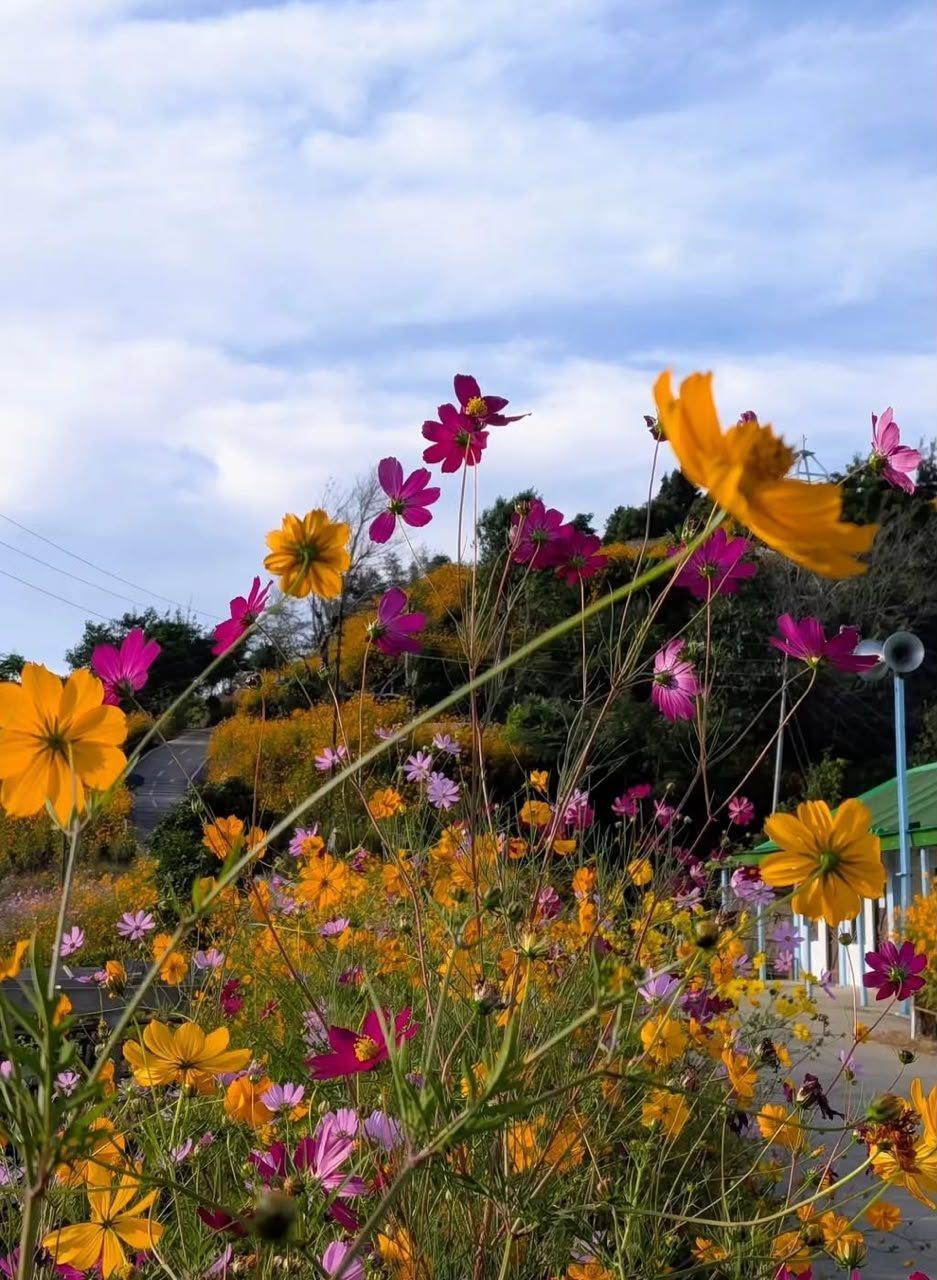
  • Peletkie — cosmos fields in October
  • Lekie Cai — Peletkie's traditional salt
  • Ntangki National Park
Mokokchung, Wokha & Zunheboto, Nagaland

Mokokchung, Wokha & Zunheboto

Ao, Lotha and Sumi Naga country

  • Mokokchung — Ungma village and Longkhum
  • Wokha — Doyang river and the Amur falcons of Pangti (Oct–Nov)
  • Zunheboto — Sumi heartland and Ghosu bird sanctuary
Mon, Longleng & Tuensang, Nagaland

Mon, Longleng & Tuensang

Eastern Nagaland — the most remote and traditional

  • Mon — Konyak villages and their tattooed elders
  • Longwa — the village across the India–Myanmar border
  • Longleng — home of the Phom Nagas
  • Tuensang — eastern Nagaland, rarely visited
Ways to plan it

Three starting points. Every one can be changed.

Not packages — starting points. Pick one, mix them, or tell us what you love and we'll shape the trip around it.

4 nights · first time in Nagaland

Kohima & Khonoma

  1. Day 1: Fly into Dimapur; drive up to Kohima (about 3 hours).
  2. Day 2: Kohima War Cemetery, the market, and the Heritage Village at Kisama.
  3. Days 3–4: Homestay in Khonoma — village walks, terraces, forest and Naga home cooking.
  4. Day 5: Drive back to Dimapur.
Plan this for my dates →
6 nights · villages and valleys

Kohima, Dzükou & Phek

  1. Days 1–2: Kohima and Khonoma.
  2. Day 3: Hike into the Dzükou Valley.
  3. Day 4: Drive to Pfutsero; sunset from Kapamodzü Peak.
  4. Day 5: Phek district and Chizami's weavers.
  5. Days 6–7: Back via Kohima to Dimapur.
Plan this for my dates →
9 nights · the full journey

Grand Nagaland: Kohima to Mon

  1. Days 1–3: Kohima, Khonoma and Dzükou.
  2. Days 4–5: Mokokchung and Ao villages; Longkhum viewpoint.
  3. Days 6–8: Mon: Konyak villages and Longwa on the Myanmar border.
  4. Day 9: Into Assam for the night.
  5. Day 10: Fly home from Dibrugarh or Jorhat.
Plan this for my dates →
When to go

Every season has its reason.

October to May is the most comfortable time to travel. Monsoon months are wet but beautifully green — and the Dzükou lilies bloom.

FebruarySekrenyiAngami festival of purification, around Kohima.
AprilAoleangThe Konyak spring festival in Mon.
MayMoatsüAo festival after sowing, around Mokokchung.
June–JulyDzükou liliesThe valley in bloom — green, wet and beautiful.
Oct–NovAmur falconsHuge flocks roost around Pangti in Wokha.
1–10 DecHornbill FestivalAll the tribes together at Kisama.

Festival dates can shift slightly each year — we confirm them when we plan your trip.

Hornbill Festival 2026 trips →
From our trips

Nagaland, up close.

Food & stays

Eat at a Naga table. Sleep by a wood fire.

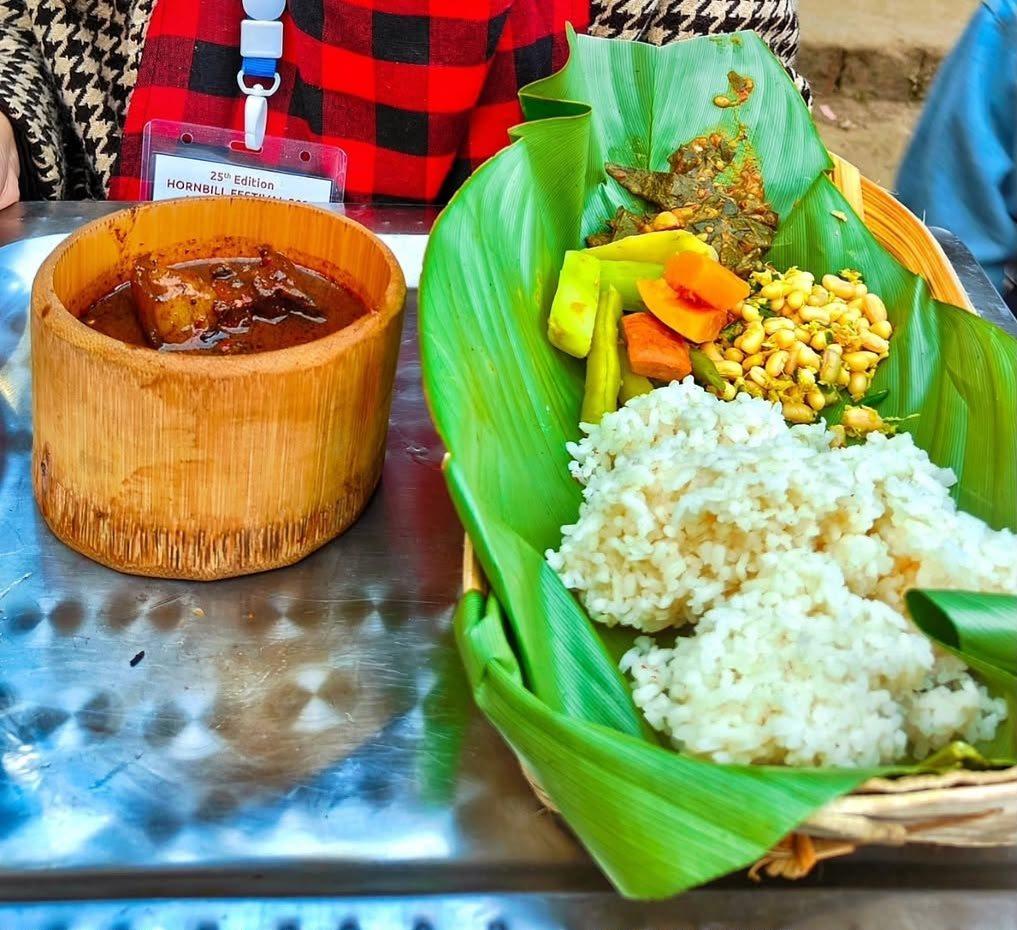
Stay in comfortable hotels in the towns and warm village homestays in between — Khonoma, Touphema, Kigwema and beyond. Naga food is smoky, fresh and full of flavour.

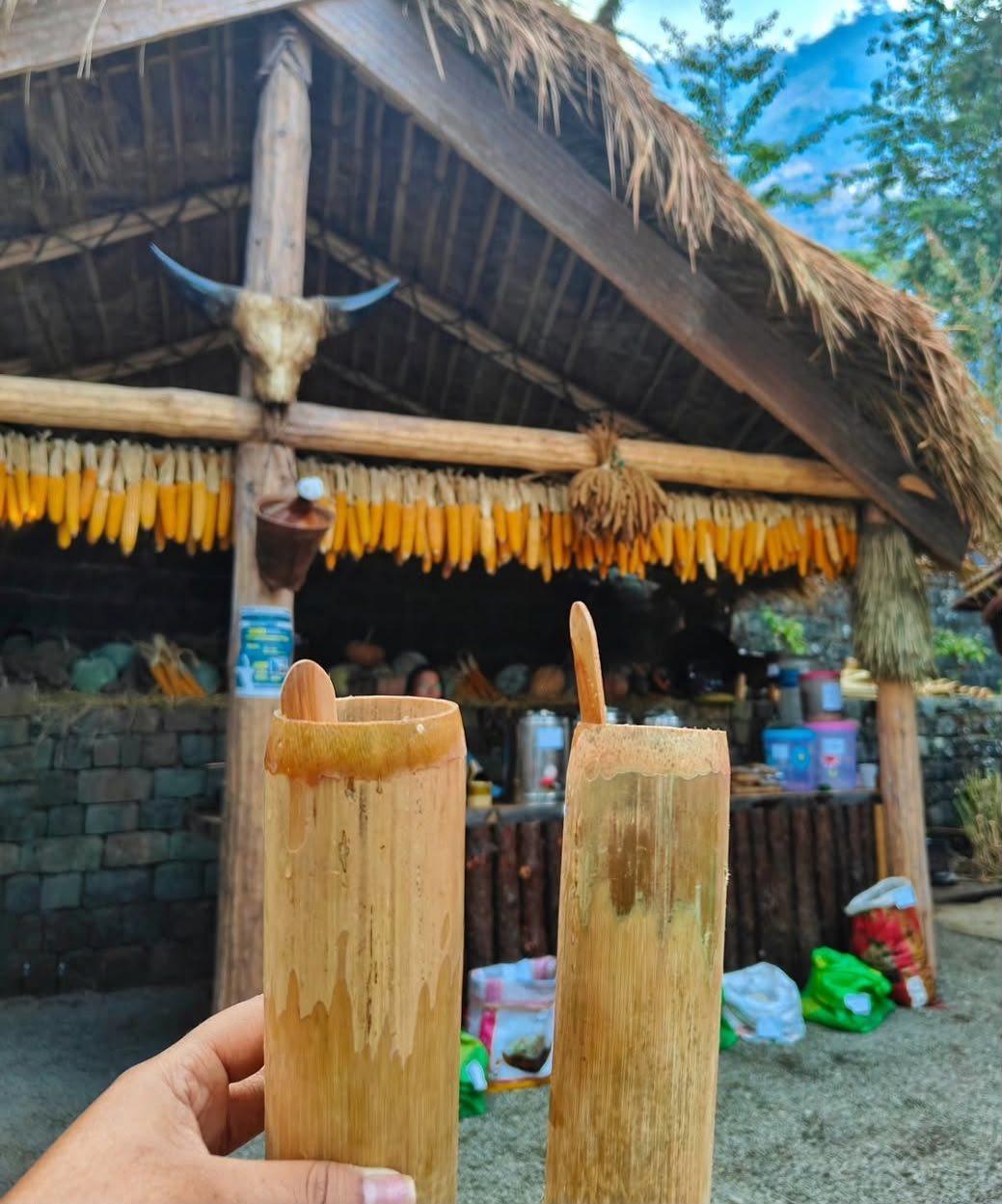
Smoked pork with bamboo shootAxone (fermented soybean)Galho (rice porridge)Naga king chilli chutneyRice beerRiver fishWild greens and herbs

Vegetarian? No problem — we arrange vegetarian meals throughout the trip.

A Naga meal of rice, beans, vegetables and pork curry served on a leaf with a bamboo bowl
Why Antarabodh

We only take you to places we know deeply.

We’ve travelled Nagaland ourselves and work with Naga guides and hosts we know personally. That’s how we find the quiet village, the right homestay and the festival day worth planning around.

No fixed group. No rushed checklist. Just your people, your pace and your Nagaland.

— Tanu Loht, Founder

  • We've travelled Nagaland ourselves — not just the famous stops
  • Local Naga guides and hosts we know personally
  • Private trips only — just you and your people
  • Your dates, your places, your stays
  • Vegetarian, family and senior-friendly planning
  • Help with your Inner Line Permit and every booking
How to reach

Getting to Nagaland is easier than you think.

Coming from Mumbai, Bengaluru or Delhi? Everyone arrives at Dimapur, Nagaland's gateway. From there, Kohima is about 75 km — around 2½–3 hours by road — and your car and driver will be waiting.

By direct flight

  • From Delhi: direct flights to Dimapur.
  • From Mumbai or Bengaluru: fly to Guwahati or Kolkata and take a connecting flight to Dimapur — you can do it in a day.
  • Or fly direct to Guwahati and continue by train or road.

By train

  • Dimapur is on the main railway line through Assam.
  • From Guwahati, the morning Jan Shatabdi takes about 4 hours (Monday to Saturday), and several other daily trains take 4–5½ hours.
  • From Delhi, long-distance trains including the Rajdhani stop at Dimapur — a long ride, best for those who love trains.

By road from Guwahati

  • About 280 km, usually 6–7 hours by private car.
  • Good if you're combining Nagaland with Assam or Meghalaya — your own car and driver pick you up in Guwahati.
Inner Line Permit (ILP) required

Every Indian visitor needs an ILP to enter Nagaland, including Dimapur. It’s applied for online before you travel — we help you with it once your trip is confirmed. Foreign nationals currently need a Protected Area Permit instead.

Flight and train schedules change — we check the best option for your dates when we plan your trip.

Good to know before you go

A few things that make Nagaland different.

Small details that make a big difference to your days — we plan around every one of them.

Sundays are for church

Nagaland is mostly Christian. On Sundays almost all shops, markets and many restaurants stay closed and towns are very quiet. We plan Sundays as a travel day, a village walk or a slow day — not a shopping day.

Monday to Saturday

Markets, craft shops and offices are open on weekdays and Saturdays — the best days for shopping, markets and village visits.

Shops close early

Most shops close by about 4:30–5 pm, and towns go quiet soon after dark. Dinner is early too, usually around 7 pm.

Early sunrise, early sunset

The sun rises and sets early in the Northeast. In winter it's dark by about 4:30–5 pm, so we start days early and keep sightseeing to daylight.

Weather

October to May is the best time. In December and January days are sunny but nights are cold — single digits in Kohima, near freezing in Pfutsero and Dzükou. June to September brings heavy rain and occasional landslides on hill roads.

Your car and driver

A private SUV with an experienced local hill driver, the same car throughout. Hill roads are slow — 25–30 km an hour is normal, and some stretches (Mon, Tuensang, Phek) are rough. We avoid driving after dark.

Food

Naga food is smoky, fresh and meat-forward — mostly pork, chicken and fish — and can be fiery with king chilli. Vegetarian food is easy in Kohima and Dimapur and arranged in advance everywhere else. Just ask for less chilli.

A dry state

Nagaland is officially a dry state, so alcohol isn't sold openly.

Cash and phone signal

Carry cash for villages and small shops; ATMs are in the towns. Mobile signal is good in towns but patchy in remote areas and on long drives.

Photos and respect

Always ask before photographing people, especially elders. Dress modestly in villages and churches, and follow your guide's lead inside morungs and homes.

Strikes (bandhs)

Now and then a local strike closes roads and shops for a day. We keep your plan flexible and work around it.

Documents

Carry a photo ID and a copy of your ILP at all times — there are checkpoints on the main roads.
Questions people ask

When is the best time to visit Nagaland?

October to May is the most comfortable — clear skies and cool days, with cold nights in December and January. June to September is the monsoon: wet and green, with the Dzükou lilies in bloom. Tell us your month and we’ll tell you what’s special then.

How do we get there?

Everyone arrives at Dimapur — by direct flight from Delhi (from Mumbai or Bengaluru, connect via Guwahati or Kolkata), by train (about 4 hours from Guwahati on the Jan Shatabdi), or by road from Guwahati (about 6–7 hours). Kohima is then about 2½–3 hours by road. If you add Mon, you can fly home from Dibrugarh or Jorhat in Assam. See How to reach above.

Do we need a permit (ILP)?

Yes. Indian travellers need an Inner Line Permit (ILP), applied for online — we help you with it. Foreign nationals currently need a Protected Area Permit; tell us early and we’ll guide you.

Is Nagaland safe for travellers?

Yes — the places we take you are welcoming and well used to visitors, and you travel with your own driver and a local guide throughout. We keep an eye on local conditions and advise you before you go.

We’re vegetarian. Will we manage?

Yes. Naga food is meat-heavy, but we arrange vegetarian meals at your stays and on the road.

How long should we go for?

Four nights covers Kohima and Khonoma. Six lets you add the Dzükou Valley or Phek. Nine to ten nights takes you all the way to Mon and the Konyak villages.

How much does it cost?

It depends on your nights, places, stays and group size. We share a clear quote once we understand your plans. Flights are charged separately.

Your private Nagaland trip starts here.

Tell us a little — we’ll cover the rest on a short call. Our team will reply on WhatsApp shortly.

Prefer to chat? WhatsApp us

+91 92725 53853 · antarabodh@gmail.com

Places you’d love to see (tick any)

Kohima & around

Valleys & peaks

West & north

The far east

We’ll only use your number to plan your trip.